
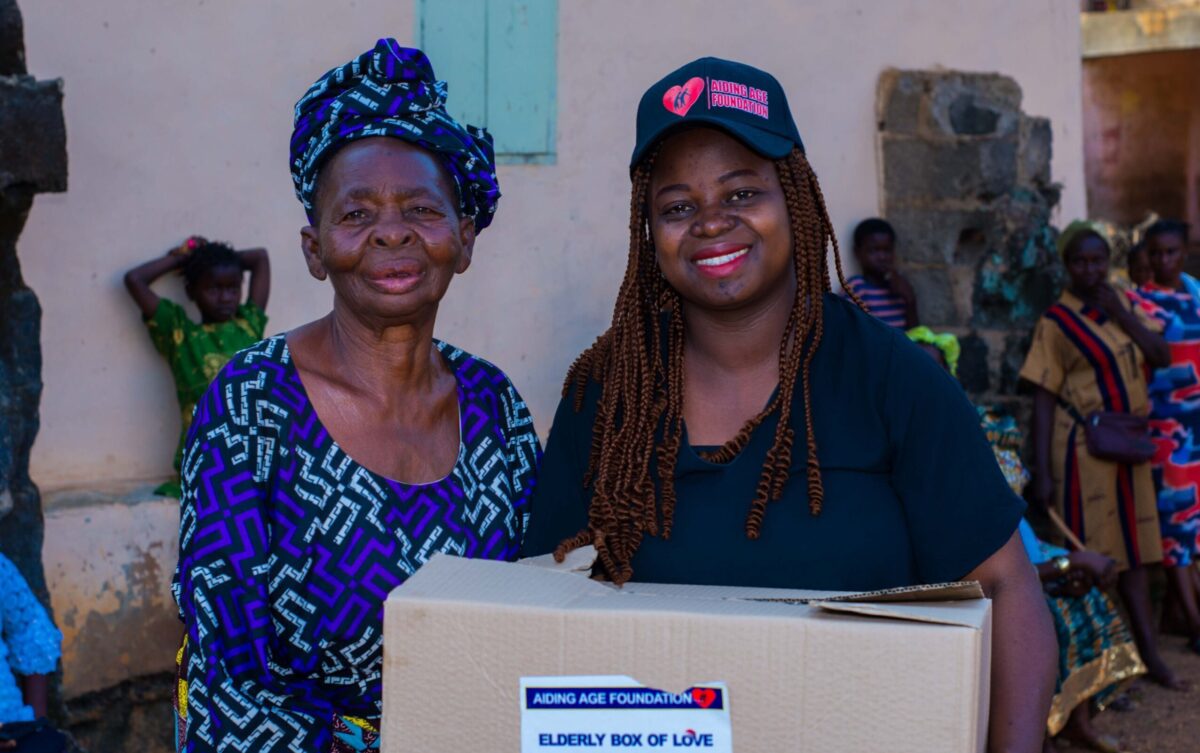
Growing older is a natural part of life, and every older person deserves to live with dignity, respect, care and a sense of belonging.However, many elderly people, especially those living in vulnerable circumstances, face challenges that can make everyday life difficult. Some may struggle with food insecurity, loneliness, limited access to basic necessities or a lack of regular support from family and their wider community.
Caring for older people should therefore not be seen as the responsibility of one person or one organisation alone. It is something that requires families, communities, volunteers, organisations and individuals to work together.
The importance of companionship
One of the simplest ways to support an elderly person is to spend time with them. A visit, phone call or conversation can make a meaningful difference. Older people deserve to feel heard and valued, and sometimes what someone needs most is simply another person willing to listen.
Companionship can also help reduce feelings of isolation and remind elderly people that they remain an important part of their community.
Meeting basic needs
For vulnerable elderly people, everyday needs can sometimes become difficult to meet. Food, household supplies and other basic necessities can make a significant difference in someone’s quality of life. Community support programmes that provide food or essential items can help ease some of these challenges.
But support should go beyond simply giving things. It should also involve understanding the person’s circumstances and identifying ways the community can provide meaningful, sustainable assistance.
Dignity should always come first
When supporting elderly people, dignity should never be overlooked.
An elderly person should not be made to feel like a burden because they need assistance. Their opinions, choices and personal boundaries should be respected.
Whether we are visiting someone’s home, providing food, helping with an errand or simply having a conversation, we should remember that we are interacting with people who have lived, worked, contributed and built families and communities.
How communities can help
Everyone can play a role in supporting older people.
You can:
- Visit an elderly neighbour or relative.
- Check on an older person who lives alone.
- Help with shopping or other simple tasks.
- Donate food or essential items to a trusted organisation.
- Volunteer with a community organisation.
- Listen to older people and give them your time.
- Speak up about issues affecting vulnerable elderly people.
- Small actions may appear simple, but when many people participate, they can create meaningful change.
A shared responsibility
Supporting older people is ultimately about building communities where nobody is forgotten.
At Aiding Age Foundation, our work is centred on supporting vulnerable elderly people through community outreach, care, companionship and practical assistance.
We believe that caring for older people is not simply about giving. It is about presence, patience, dignity, respect and love.
Every elderly person deserves to age with hope and dignity.
Together, we can build communities where older people are seen, heard, respected and cared for.
Aiding Age Foundation — Raising Hope.
